Natural Language Processing (NLP) stands at the fascinating intersection of artificial intelligence and linguistics, enabling computers to understand, interpret, and generate human language. This sophisticated branch of AI is pivotal in bridging the communication gap between humans and machines, allowing devices and software to process text and speech in a way that mimics human comprehension.
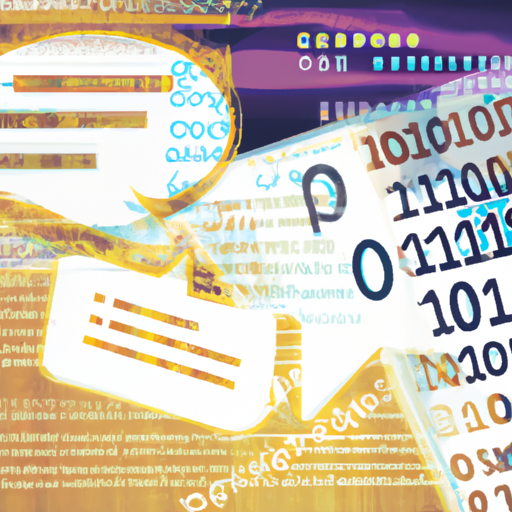
The applications of NLP are ubiquitous in our daily lives. Think of the seamless experience of voice assistants like Siri or Alexa, the precise translations offered by Google Translate, or the intelligent spam filters that keep our inboxes clean. NLP also powers sentiment analysis, helping businesses understand customer feedback from reviews and social media. In content creation, it’s used for text summarization, grammar checking, and even generating entire articles, streamlining workflows and enhancing efficiency.
At its core, NLP relies on a blend of computational linguistics, machine learning, and deep learning. Techniques like tokenization, stemming, lemmatization, and part-of-speech tagging break down language into manageable components. More advanced methods, such as recurrent neural networks (RNNs) and transformer models (like GPT), enable machines to grasp context, nuances, and even the emotional tone within complex sentences. These models learn from vast amounts of text data, identifying patterns and relationships that allow them to make informed predictions and generate coherent language.
Despite its remarkable advancements, NLP faces ongoing challenges, particularly with ambiguity, sarcasm, and cultural nuances in human language. The diversity of human expression means that continuously refining models to achieve truly human-like understanding remains an active area of research. Nevertheless, NLP continues to evolve rapidly, promising even more intuitive and powerful interactions between humans and the digital world, transforming industries from customer service to scientific research.
Leave a Reply