Computer Vision, a pivotal field within artificial intelligence, grants machines the ability to “see” and interpret the visual world. It’s about enabling computers to derive meaningful information from digital images and videos, transforming raw pixels into actionable understanding. This capability is rapidly reshaping industries and augmenting human potential in countless ways.
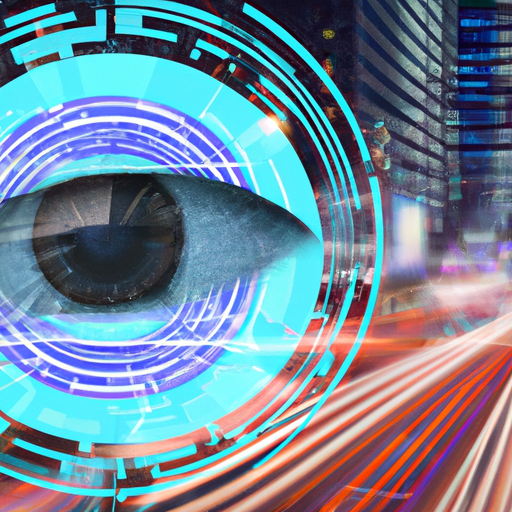
The applications of computer vision are vast and ever-expanding. In manufacturing, it powers quality control systems, detecting flaws in products with precision far exceeding human capability. Autonomous vehicles rely on it to perceive their surroundings, recognize pedestrians, traffic signs, and other vehicles, ensuring safe navigation. Medical imaging benefits immensely, with AI assisting in the early detection of diseases by analyzing X-rays, MRIs, and CT scans, leading to more accurate diagnoses and treatment plans.
At its technical core, computer vision involves sophisticated algorithms and deep learning models, particularly convolutional neural networks (CNNs). These networks are trained on enormous datasets of images to recognize patterns, objects, and even subtle nuances. Processes like object detection, image segmentation, facial recognition, and motion tracking are all products of advanced computer vision techniques. These systems learn to extract features from images, compare them to learned patterns, and make classifications or predictions.
While remarkably powerful, computer vision still grapples with challenges suchs as understanding context, dealing with variations in lighting and occlusion, and ensuring ethical deployment to prevent bias. Nevertheless, the continuous advancements in computational power and algorithmic sophistication mean that computer vision will increasingly integrate into our lives, offering unprecedented levels of automation, safety, and insight across sectors from retail to robotics, making machines truly intelligent observers of our world.
Leave a Reply